When every second counts, unconnected systems can cost lives
Sarah Gerhardsen
20 September 2026
4 min read
"The rapid pace of technological development has prompted several new players to build software for the defence and security sector, and many of them look impressive. They have reliable maps, tidy interfaces, and perform well in demos," says Stein Gundersrud, Executive Vice President at Teleplan Globe.
But what is often lacking in these systems lies beneath the surface: do they meet the strict security requirements? Can they gather data from various sensors, turn it into actionable information, and pass it on to the right decision-makers and effectors – fast enough to actually change the outcome in a real, demanding operational situation?
Built on experience – adapted for the future
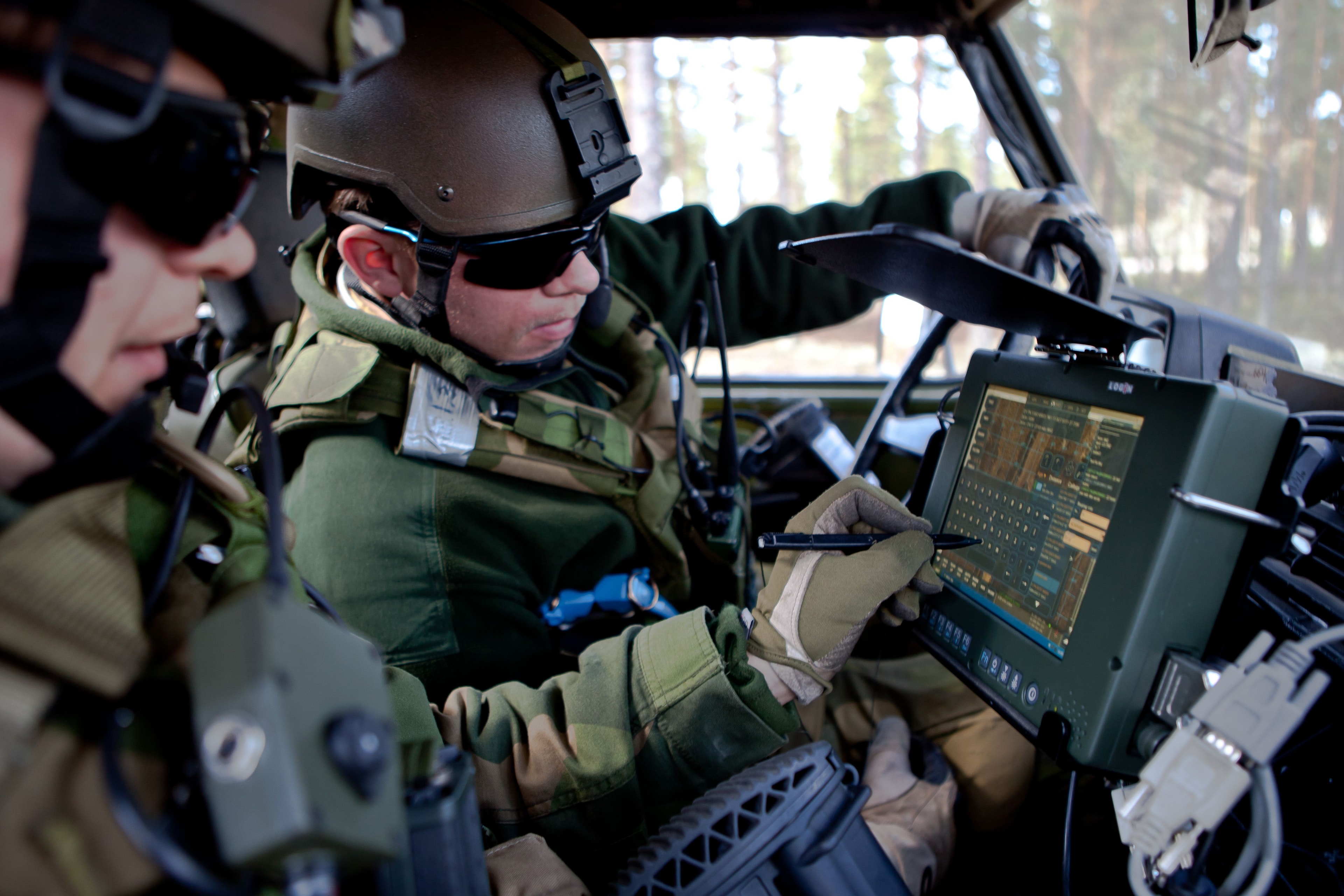
On the modern battlefield, the pace of development determines who has the advantage. It's not enough to see what is happening – the challenge is to understand it quickly enough to act. For more than 20 years, Teleplan Globe has been developing the technology that makes this possible. We have always stayed close to military users in the field – from Norway to Afghanistan and Ukraine.
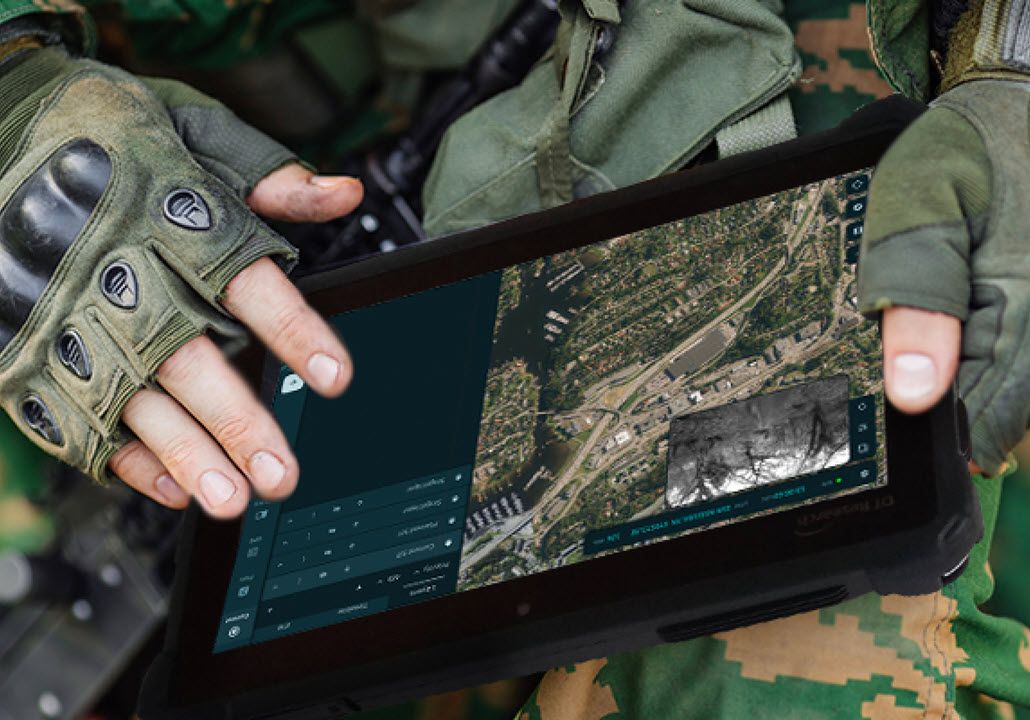
"Our command-and-control system is developed alongside the soldiers who use it in the field. In Ukraine, this close collaboration has helped strengthen the solutions for integrating unmanned systems, such as drones, directly into the command-and-control system," explains Gundersrud.
The deployment in Ukraine is not built on a single product, but on a holistic approach to decision support. The defence of the future will consist of a growing number of sensors, platforms, and autonomous systems – and the value lies not in each individual system, but in the ability to make them work as a whole.
When everything must interact
The requirements for these systems are extremely high. They are used in exceptionally demanding situations, where a fault or security flaw can have fatal consequences. Security and interoperability cannot be added as a final feature. They must be built into the architecture from the outset, and developed in step with experience, risk, and threats.
Teleplan's technology is always built on open standards and NATO protocols. It can be integrated both into the user's own command-and-control system and alongside other systems. This means the capability can be deployed quickly and safely, without locking the user into a single ecosystem.
This combination – closeness to the end user and an architecture built on open standards – allows Teleplan to continuously develop the technology further, based on the experience of today's warfare.
Lessons must be put into practice faster
Developing technology has become far easier and faster in recent years. But the defence and preparedness sector needs more than an advanced user interface: it needs operationally relevant, secure, and interoperable solutions that perform under demanding conditions over time.
It's not necessarily the technology itself that decides a war. It's how quickly today's lessons become part of tomorrow's solutions.
"Through our engagement and commitment in Ukraine, we gain continuous insight into which solutions work, what challenges arise, and how new needs develop on the front line. Our goal is for those lessons to be put into practice back home as quickly as possible," says Gundersrud.
These solutions – built for interoperability with other systems, tested in real combat environments, and developed through long-term partnerships with users – enable lessons from Ukraine to benefit Norwegian defence and preparedness more quickly.
These are the solutions Teleplan Globe has been building for more than 20 years.
Teleplan Globe – technology that protects what matters