Meet Magne – the former officer who moved to Kyiv for a cause that matters
Sarah Gerhardsen
12 November 2026
4 min read
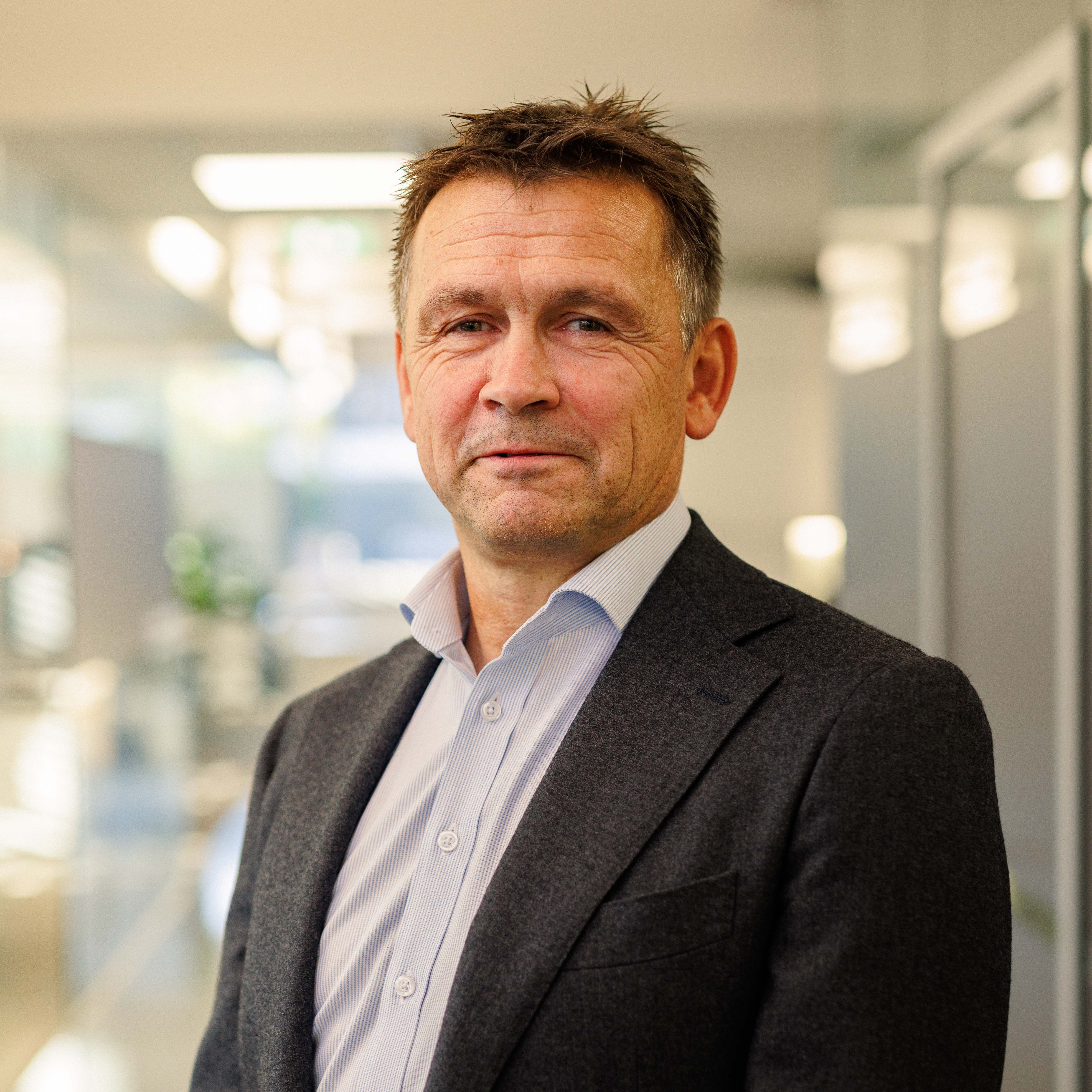
When Magne Killingstad moved to Kyiv to build up Teleplan Globe’s subsidiary Teleplan Ukraine, he put his experience from the Armed Forces and Afghanistan to good use.
“Many have heard ‘Fenriken’ in the TV series Kompani Lauritzen say that many things can be scary without being dangerous. In Kyiv, it was more the other way round: it wasn’t necessarily scary, but the risk could be high.”
Magne’s background probably explains why he didn’t find it particularly scary. As an officer for more than 15 years, he served twice in Afghanistan, among other places, and was among the first on the ground to set up a base there. That experience came in handy when he was establishing Teleplan Ukraine to help the country amid a war.
“There are many similarities. You have to find your feet in a new place, work out how to live and work safely, and make sound judgement calls every single day.”
He also drew on his ability to avoid wasting energy on things he can’t influence.
“If a ballistic missile lands on the building I’m sleeping in, there’s nothing I can do about it. What we can do is stay sharp and make good decisions. If you get sloppy with your assessments from day to day, or even from hour to hour, you expose yourself to risk.”
Contributing to something bigger
When Magne left the Armed Forces almost 20 years ago, he was spending more than half his time abroad. With a wife and children at home, it was time for a new chapter.
“I wanted to be with my family and see my children grow up.”
Although his children are now grown up, going to Kyiv was not an easy decision. Before he said yes, he and his wife had a long talk.
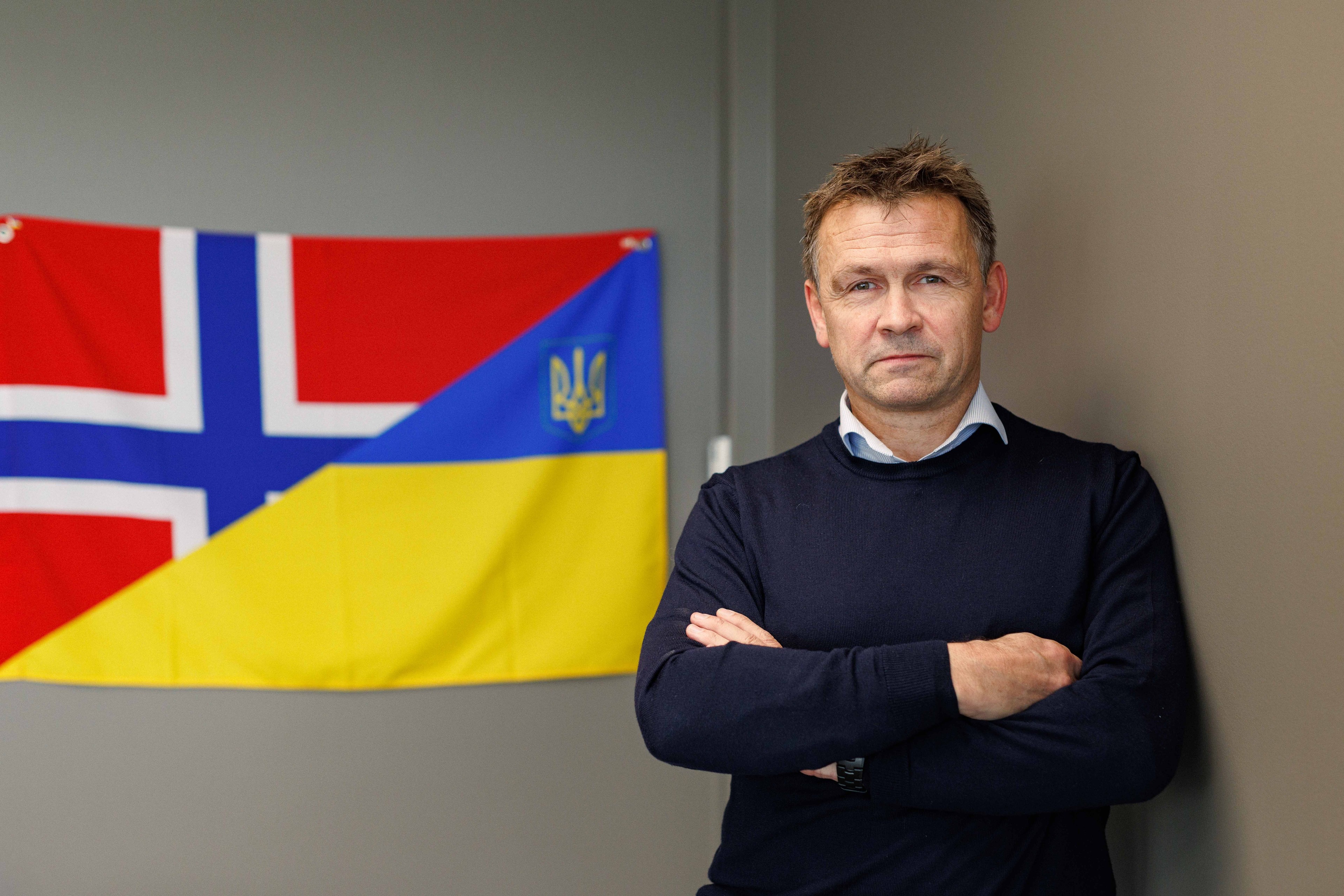
“The most important question was why I should do this. The answer is the same for me as for Teleplan as a company: We want to contribute to something bigger than ourselves and to a cause that matters – to Ukraine, to me, to my family and children, and to Norway.”
He believes many underestimate how serious the war in Ukraine is for Norway, given its border with Russia, and how much the outcome in Ukraine will affect the security of the whole of Europe.
“If I’m not willing to do this, with my background and the job I have, how can I expect others to?”
He didn’t exactly get a standing ovation at home, he says with a chuckle. But his family accepted and supported his decision.
Magne on Teleplan
Three words to describe the culture:
It’s social. There’s plenty of room to speak up and stand by your views. And it’s fun. I think a lot of people enjoy coming to work here.
The best thing about working here:
That the working days are so varied, and that I get to work with lots of different people, both here at home and abroad.
Advice for job seekers:
What are you waiting for? Get your application in!
The world has always been like this
Few of Magne’s friends have followed the same path as he did in the Armed Forces and the defence industry. For those on the outside, it hasn’t always been easy to understand the worldview of someone with his background and job. But after the invasion of Ukraine, his friends told him they now understood why his work was important – because the world had changed.
“But it hasn’t. It’s our perception of the world here in Norway that has changed. The world has always been like this.”
He is worried about how quickly we forget. After the fall of the Berlin Wall, it took little more than one election cycle for the old mindset to return.
“That’s why it’s important for those of us who are closer to this to try to raise awareness of how dangerous the situation actually is.”
Marathon blues and FOMO
This summer Magne moved back to Norway, and a colleague has taken over the leadership in Kyiv. Although he’s glad to be home with his family again, his feelings are mixed.
“It’s a bit of ‘marathon blues’ – the slump you can get after finishing a marathon – and a bit of FOMO, ‘fear of missing out’. Still, it’s nice not to have to be constantly switched on and alert.”
The feeling was familiar from earlier deployments abroad. Even so, he was surprised by how much the stay had taken out of him.
“It took me much longer to reset over the summer holiday than I’d expected, so I definitely think it’s important to rotate who’s out there.”
Now he wants to be a good source of support for the person who has taken over in Kyiv.
“The person now leading the office has someone back home who knows what the job involves. It’s not easy to explain to people who haven’t been there themselves.”
Fun facts about Magne
Three words to describe myself, and three words I think my colleagues would use:
I’d say sociable, goal-oriented and innovative. My colleagues would probably say sociable too, and I’m sure they’d also use the word hyperactive. And I hope they’d say kind.
If I didn’t do this for a living, I would:
Probably be doing some form of communications or sales. I also have a liking for the legal side of things, but I’m probably not patient enough to get through a law degree.
Favourite app:
The chess app Chess.com.
If I could go anywhere:
Somewhere sunny and warm with a beach and a golf course. Mallorca would do.
On my nightstand:
A biography of the Viking king Harald Hardrada. He’s relevant to Ukraine too, as he married Ellisiv, a princess from Kyiv who became Queen of Norway. She’s the namesake of Operation Ellisiv, the Norwegian Armed Forces’ support for Ukraine.
What I always bring to work:
My phone and laptop. I travel a lot, so there isn’t much else I carry around.
3 things I would bring to a deserted island:
My Kindle and my wife – does she count as a thing?
I’ll allow it – the question is whether she does.
Well, let’s say she does – it would be nice to be on a desert island together. And then I’d also want a pack of cards.
Guilty pleasure:
I seriously love milk chocolate, to the point where it has to be hidden away.
How much chocolate are we talking?
Easily several 200-gram bars a week if it’s available. So we really can’t buy it when it’s on sale.